Wegovy vs Ozempic
Jillian Foglesong Stabile, MD, FAAFP, DABOM
May 20, 2026
Prescription Drugs, Your Health & Wellness
Wegovy vs Ozempic
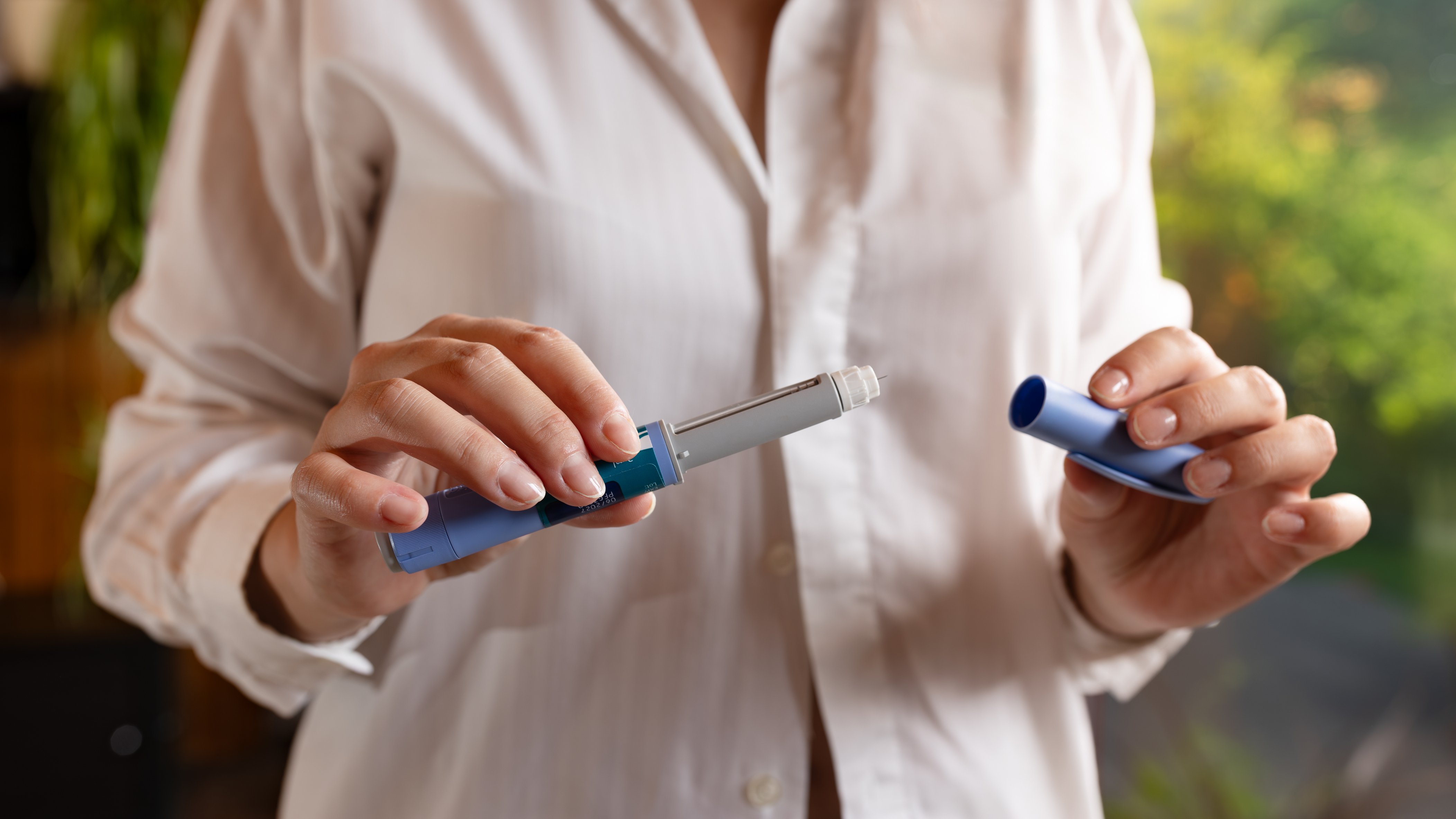
Wegovy and Ozempic are two prescription medications that have gained considerable attention in weight management and diabetes care. When considering Wegovy vs Ozempic, both medications contain the active ingredient semaglutide, but they differ in their approved uses, dosing, and insurance coverage. This article provides an overview of their similarities and differences, helping patients and healthcare professionals make informed decisions about which medication may be most appropriate for individual needs.
What is Wegovy?
Wegovy is a prescription medication approved by the Food and Drug Administration (FDA) to treat obesity as well as to reduce cardiovascular risk in people with overweight and obesity and to treat moderate to severe metabolic-associated steatosis (MASH). The active ingredient, semaglutide, acts on the glucagon-like peptide-1 receptor (GLP-1). Semaglutide works by activating this receptor to regulate appetite and food intake.
Wegovy is available as a once-weekly injection or a daily pill. It is intended to be used in combination with lifestyle modifications such as a reduced-calorie diet and increased physical activity.
What is Ozempic?
Ozempic is a prescription medication approved by the FDA to treat type 2 diabetes. Like Wegovy, Ozempic's active ingredient, semaglutide, acts on the GLP-1 receptor to lower blood sugar levels, reduce appetite, and slow gastric emptying.
Ozempic is administered once a week as an injection. There is not currently an oral option for Ozempic, though Rybelsus is an oral version of semaglutide approved to treat type 2 diabetes. Ozempic can promote weight loss as a side effect for many people. Ozempic is often prescribed along with diet and exercise for managing diabetes. However, it has become increasingly common for people to use Ozempic off-label for weight loss, especially before the approval of Wegovy.
Why use Wegovy vs Ozempic for weight loss?
Wegovy is specifically approved for weight loss, has a higher maintenance dose (up to 7.2 mg), and may result in weight loss of around 21%. Wegovy is approved for weight management in adults with a body mass index (BMI) of 30 or higher or 27 or higher with at least one weight-related health condition.
Ozempic is specifically approved for type 2 diabetes. The maintenance doses are lower than Wegovy, and the average weight loss is closer to 14.1%. Ozempic is approved for type 2 diabetes and is intended to improve blood sugar control. For people who have both diabetes and obesity, Ozempic may be a good option.
However, both drugs should only be used under the guidance of a trained healthcare professional who can evaluate your individual health needs to determine the most appropriate treatment option.
What is the difference between Wegovy and Ozempic?
Wegovy and Ozempic both contain the same active ingredient (semaglutide) and may result in weight loss; however, they are prescribed for different reasons and at different doses. When comparing Wegovy and Ozempic, there are a few key differences.
| Ozempic | Wegovy | |
| Indication | Type 2 diabetes, cardiovascular disease risk reduction, chronic kidney disease | Weight management for obesity and overweight MASH Cardiovascular disease risk reduction |
| Administration | Weekly injection | Weekly injection, daily pill |
| Dosage |
|
Injection
|
| Expected weight loss | Average weight loss 14% | Average weight loss up to 21% |
Insurance coverage may vary between the two medications, as many insurance companies don't cover medications exclusively for weight loss but will cover medications for diabetes.
Are Wegovy and Ozempic the same?
With several GLP-1 medications available, many people wonder whether Wegovy is the same as Ozempic. Wegovy and Ozempic are not exactly the same, although they both contain the active ingredient: semaglutide. Because they have the same active ingredient, their mechanism of action is the same. However, they have different dosing, different approved uses, and different insurance coverage. The injectable version of Wegovy is administered weekly, as is Ozempic.
Is Wegovy better than Ozempic for weight loss?
Several things can determine which is better, Wegovy or Ozempic. Ozempic is not specifically indicated for weight loss, although it is sometimes prescribed off-label for this purpose. Wegovy is generally considered more effective than Ozempic for weight loss, primarily because the doses have been optimized for this purpose. Both medications work by activating the GLP-1 receptor, mimicking the GLP-1 hormone. For weight loss, this leads to slower gastric emptying, reduced appetite, and weight loss.
Wegovy is prescribed at higher maximum doses than Ozempic. The weekly dose goes up to 7.2 mg for the weekly Wegovy injection versus the 2 mg dose of Ozempic. Wegovy is also available as a daily pill taken orally. Studies have shown that people taking Wegovy lose more weight than people on Ozempic, primarily due to the higher dose targeted at treating obesity.
Wegovy is generally prescribed when weight loss is the primary goal, while Ozempic is prescribed more frequently when diabetes management is the main concern. Consult your healthcare provider to determine if Wegovy or Ozempic is right for you.
Wegovy vs Ozempic side effects: what side effects are common between the two drugs?
Because Wegovy and Ozempic both contain semaglutide, they share many common side effects. For both medications, common side effects include:
- Nausea
- Vomiting
- Diarrhea
- Constipation
- Abdominal pain
- Decreased appetite
- Indigestion
- Fatigue
- Headache
- Dizziness
- Injection site reactions (not for oral Wegovy)
The potentially serious side effects for both medications include pancreatitis, increased risk of thyroid tumors, and gallbladder problems. The side effect profiles of both medications are very similar because the medications share an active ingredient.
What side effects are not common between Ozempic and Wegovy?
The primary differences between Ozempic and Wegovy are their indications and doses. These differences can result in the severity and frequency of side effects. Since Wegovy is prescribed in higher doses, the gastrointestinal side effects may be more severe or frequent than they are with Ozempic.
Wegovy users may also report more injection site reactions for the injectable form due to higher volumes of medication being administered. People using Ozempic for diabetes management may have more blood-sugar-related side effects, especially if they are also on other medications to treat diabetes.
How successful is Wegovy in treating obesity?
Wegovy has been proven to be highly successful in treating obesity, especially when used in combination with lifestyle modifications such as diet and exercise. Early clinical trials, with doses up to 2.4 mg of Wegovy, showed an average weight loss of 15% over 68 weeks of treatment. Recently, a higher dose (7.2 mg) was approved. Studies demonstrated that the higher dose of Wegovy resulted in an average weight loss of around 22%. The Wegovy pill has weight loss percentages close to the injectable form, with the 25 mg dose demonstrating an average weight loss of around 13.5%.
The weight reduction seen with Wegovy can lead to meaningful improvements in obesity-related health conditions as well as improvements in quality of life. Not every patient will see the same results, but Wegovy can be an effective option for weight loss for people struggling with obesity.
How successful is Ozempic for weight loss?
While Ozempic is primarily used for type 2 diabetes, it has also been shown to be effective at promoting weight loss. Clinical studies have demonstrated an average weight loss of around 14% for Ozempic. Ozempic does not show as much weight loss as Wegovy, primarily because it is prescribed at higher doses.
While it is not as potent as Wegovy, Ozempic may be a good option for weight loss in people who also have type 2 diabetes. Ozempic will also generally improve blood sugar control and cardiovascular health.
Ozempic versus Wegovy: Related FAQs
Ingredients in Wegovy vs Ozempic: are they different?
Wegovy and Ozempic both contain the same active ingredient, semaglutide. The primary difference between the two medications is their approved use and dosage, not their main ingredient. Both drugs work similarly because of this shared component, though their formulations and recommended dosing regimens are tailored to their specific indications.
Wegovy versus Ozempic costs: which is cheaper?
Ozempic is generally less expensive than Wegovy, mainly because it is widely prescribed for diabetes and more likely to be covered by insurance. Wegovy, approved for weight loss, often has higher out-of-pocket costs and less insurance coverage. Actual prices will depend on insurance plans, location, and available discounts.
Do you lose fat faster on Ozempic or Wegovy?
Wegovy generally leads to faster and greater fat loss than Ozempic, mainly because it is prescribed at a higher dose of semaglutide specifically for weight management. Clinical studies show that patients using Wegovy typically lose more weight and body fat compared to those taking Ozempic at standard doses.
If you take Wegovy or Ozempic to lose weight, will you need to keep taking the drugs indefinitely?
To maintain weight loss, most people need to keep taking Wegovy or Ozempic long-term. Stopping the medication often leads to regaining lost weight, as appetite and metabolism may return to pre-treatment levels. Studies have shown weight regain of 60-90% at one year after discontinuing GLP-1 agonist medication such as Wegovy or Ozempic. Continuous use should be discussed with a healthcare provider for ongoing support and monitoring.
Who is eligible to receive Wegovy or Ozempic for weight loss?
Wegovy is approved for adults with a BMI of 30 or higher, or 27 or higher with at least one weight-related health condition. Ozempic is primarily for type 2 diabetes, but may be prescribed off-label for weight loss. Both Ozempic and Wegovy are contraindicated in people with a personal or family history of Multiple Endocrine Neoplasia 2 (MEN 2) or medullary thyroid carcinoma (MTC).
In terms of safety, which is better, Ozempic or Wegovy?
Ozempic and Wegovy have similar safety profiles since both contain semaglutide. The risk of side effects may be slightly higher with Wegovy due to its higher dosage. Overall, neither is universally safer, and the best choice depends on your individual health factors and should be determined in consultation with your healthcare provider.
Can you take Wegovy and Ozempic at the same time?
Taking Wegovy and Ozempic at the same time is not recommended, as both medications contain semaglutide. Using them together would increase the risk of side effects without providing additional benefits. Treatment should involve only one semaglutide-containing drug, under the supervision of a healthcare provider.
Will Wegovy and Ozempic start working right away?
Wegovy and Ozempic do not start working instantly. Most people begin to notice reduced appetite within the first few weeks, but significant weight loss or health improvements can take several weeks or even months. The dose is generally increased gradually to reduce side effects. Therefore, it may take longer for results to appear.
Can you switch from Ozempic to Wegovy for weight loss?
Switching from Ozempic to Wegovy for weight loss is possible and sometimes recommended when greater weight reduction is the goal. Both drugs contain semaglutide, but Wegovy can be prescribed at a higher dose. You should not switch medications or increase your dose unless directed by your healthcare provider to ensure safe use of the medication.
Are Wegovy and Ozempic the same as Mounjaro and Rybelsus?
Wegovy and Ozempic are not the same as Mounjaro or Rybelsus. Wegovy and Ozempic both contain semaglutide. Mounjaro contains tirzepatide, a different medication, and Rybelsus is an oral form of semaglutide. While Wegovy is also an oral version of semaglutide, it is specifically formulated for weight management, and the doses differ from Rybelsus. Each drug has unique uses, dosing, and effectiveness, so they are not interchangeable.
How to decide if you should take Wegovy or Ozempic?
Deciding between Wegovy and Ozempic depends on your primary health goal—weight loss or diabetes management—your medical history, and insurance coverage. Wegovy is best for weight loss, while Ozempic is mainly for type 2 diabetes. Always consult a healthcare provider to determine which medication suits your individual needs and circumstances.
Who can't take Ozempic or Wegovy?
People who can't take Ozempic or Wegovy include those with a personal or family history of medullary thyroid carcinoma, multiple endocrine neoplasia syndrome type 2 (MEN 2), or allergies to semaglutide. These drugs are also generally not recommended for pregnant women or individuals with certain severe gastrointestinal conditions, kidney disease, or liver disease. Your healthcare provider can help you decide if you are eligible for one of these medications and which one would be best for your unique health needs.
Which insurance covers Ozempic?
Insurance coverage for Ozempic varies, but many health insurance plans cover it for type 2 diabetes. Some insurance companies may require you to try other medications before they will cover Ozempic. Coverage for weight loss use is less common, and Ozempic is off-label for this indication. Check with your specific insurer for details.
Which insurance covers Wegovy?
Insurance coverage for Wegovy depends on your plan. Some insurance companies cover weight-loss medications; however, many have excluded them for this use. Always verify coverage with your specific insurance provider before starting treatment. For people who don't have insurance coverage for Wegovy, the medication is available directly from the manufacturer or from some pharmacies at a discount.
Medication Savings with ScriptSave® WellRx
We understand that medications can be expensive. If your healthcare provider has prescribed Wegovy, Ozempic, or another medication, you may be wondering how to save money on your medications. Consider visiting us at WellRx.
Some people save a little. Some people save a lot. Prices vary across zip codes. Even pharmacies across the street from each other can have huge price differences. Our aim is to bring transparency to prescription medication pricing, helping consumers keep more money in their pockets. The average savings is 75%, but you may save up to 80%*.
ScriptSave has been helping consumers save on their prescriptions for 25 years.
*DISCOUNT ONLY – NOT INSURANCE. The program is administered by Medical Security Card Company, LLC
Author Bio
Jillian Foglesong Stabile, MD, FAAFP, DABOM is a board-certified family physician. She practices full-scope family medicine in rural Eastern Washington state. Dr. Foglesong Stabile enjoys providing whole-life care ranging from prenatal care to hospice and end-of-life care. Her favorite thing about family medicine is being able to provide multigenerational care to families
References
https://www.ncbi.nlm.nih.gov/books/NBK603723/
https://pubmed.ncbi.nlm.nih.gov/38753931/
https://www.ncbi.nlm.nih.gov/books/NBK551568/
https://www.aafp.org/pubs/afp/issues/2024/1000/editorial-glp-1-agonists-weight-loss.html
https://pmc.ncbi.nlm.nih.gov/articles/PMC11790292/
https://www.nejm.org/doi/full/10.1056/NEJMoa2032183
https://pmc.ncbi.nlm.nih.gov/articles/PMC12579654/
https://pubmed.ncbi.nlm.nih.gov/40961952/
https://www.nejm.org/doi/abs/10.1056/NEJMoa2500969
https://dom-pubs.onlinelibrary.wiley.com/doi/abs/10.1111/dom.70713

Save on the Go
For your convenience, use the ScriptSave®WellRx mobile app. Now savings are well in hand, right at the pharmacy counter. Save on your family's prescription medicines.


Get a Prescription Discount Card
Your choice. Get a ScriptSave WellRx Savings Card. Or Download the free mobile app from the App Store or Google Play Store

Grocery Guidance
ScriptSave WellRx Grocery Guidance leverages leading-edge nutritional data science to help you know which food products on your grocery store shelf are truly good for YOU.
Recommended Articles

What You Should Know about Zepbound for Sleep Apnea
May 13, 2026
Discover Zepbound for sleep apnea. Learn how it works, who may qualify, potential benefits, side effects, and key safety considerations.
Mounjaro vs Ozempic
May 13, 2026
Mounjaro vs Ozempic: Understand key differences in results, safety, accessibility, and cost and choose the best medical weight-loss treatment.

Zepbound vs Wegovy: Which Burns More Fat in 2026?
April 29, 2026
ZepBound vs Wegovy: Understand key differences in results, safety, accessibility, and cost and choose the best medical weight-loss treatment.