What You Should Know about Zepbound for Sleep Apnea
By Alyse Thompson, M.D.
May 13, 2026
Prescription Drugs, Your Health & Wellness

What You Should Know about Zepbound for Sleep Apnea
If you've been struggling with sleep apnea, you may have heard about Zepbound sleep apnea treatment making headlines. In December 2024, the FDA approved Zepbound, the brand name for tirzepatide, as the first-ever medication for obstructive sleep apnea(OSA) in adults with obesity. For decades, CPAP machines have been the go-to treatment for OSA. Now there's a new option worth knowing about.
Is Zepbound Approved for Sleep Apnea?
Yes, and it is a milestone in sleep medicine. In December 2024, the U.S. Food and Drug Administration (FDA) approved Zepbound (tirzepatide) as the first medication specifically for adults with moderate-to-severe obstructive sleep apnea (OSA) and obesity.
This approval followed the SURMOUNT-OSA clinical trials, which evaluated the medication's effects on breathing interruptions and overall sleep quality. The studies found that patients using Zepbound experienced a meaningful decrease in sleep apnea severity. For many participants, the treatment was so effective that their condition improved to a mild or even undetectable level, offering a new alternative or supplement to traditional treatments such as CPAP (continuous positive airway pressure) machines.
To qualify, you need a Body Mass Index (BMI) of 27 or higher and a moderate-to-severe OSA diagnosis. Zepbound is meant to be used alongside a reduced-calorie diet and increased physical activity, not as a standalone fix. The active ingredient, tirzepatide, has been years in the making, and the results have been significant enough to change how sleep apnea is treated.
How Does Zepbound Help with Sleep Apnea?
OSA occurs when the throat muscles relax during sleep, blocking the airway. Excess body weight, especially fat around the neck, makes that blockage more likely, which is why obesity is one of the biggest risk factors for OSA.
Zepbound works by driving meaningful weight loss. As that excess weight decreases, so does the pressure on the airway, reducing the frequency of airway collapse during sleep.
On a biological level, Zepbound works by a dual-action mechanism. It's a GIP and GLP-1 receptor agonist, meaning it mimics two hormones your gut naturally releases after eating, signaling to your brain that you're full and slowing digestion. The result: less appetite, less food intake, and sustained weight loss over time.
To be clear, Zepbound doesn't act directly on the airway the way CPAP does. It treats the root cause, obesity, which makes OSA worse.
How to Use Zepbound Sleep Apnea Treatment
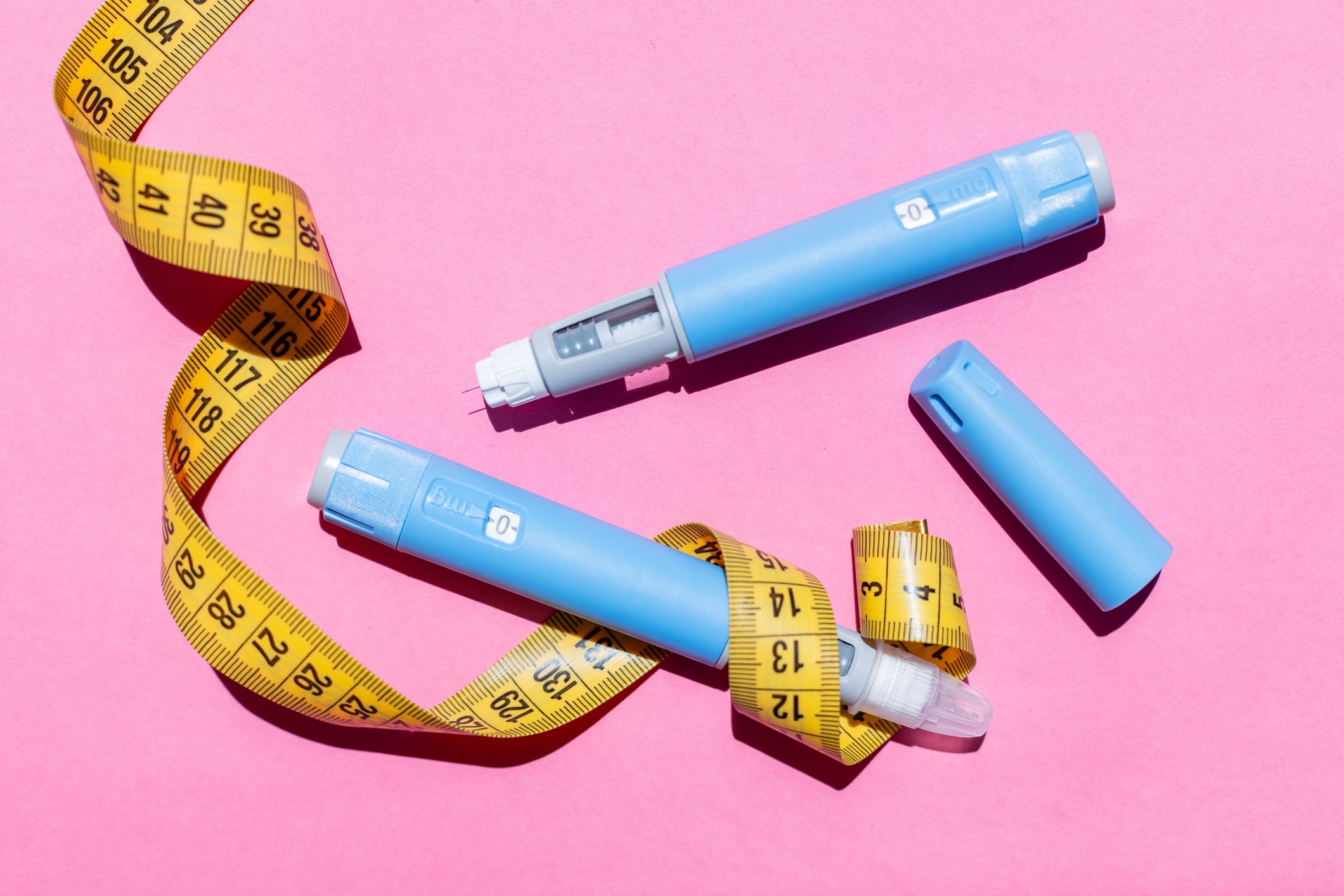
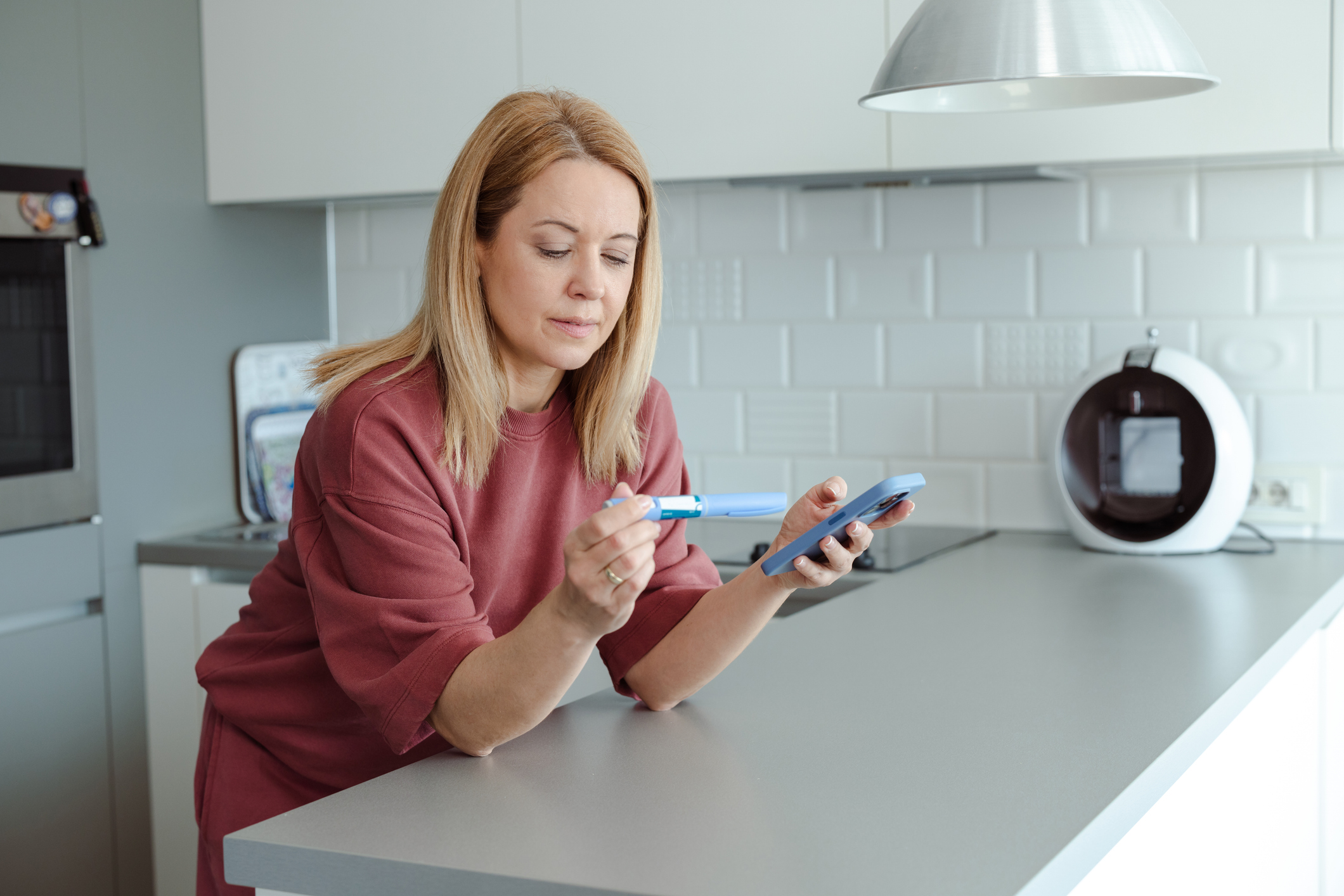
Zepbound is a once-weekly injectable medication. You inject it yourself under the skin (subcutaneously) using a single-dose pen, with available doses ranging from 2.5 mg to 15 mg.
You will typically start at a low dose and gradually increase it over several months to minimize side effects and help your body adjust.
Follow Your Doctor's Dosing and Administration Guidance
The starting dose of Zepbound is 2.5 mg weekly, which is a ramp-up dose, not a maintenance dose. Your healthcare provider will guide you through a step-up schedule, typically increasing your dose every four weeks.
Do not change your dose or stop using Zepbound without talking to your doctor first. Always inject Zepbound on the same day each week, in the stomach, thigh, or upper arm, rotating injection sites each time.
Zepbound works best when combined with lifestyle changes. The FDA approval specifies use alongside a reduced-calorie diet and increased physical activity, not instead of them. Think of it as a powerful partner to your healthy habits, not a replacement for them.
Be Aware of Possible Side Effects
Like any medication, Zepbound comes with a list of potential side effects. The most common ones include:
- Nausea
- Diarrhea
- Vomiting
- Constipation
- Abdominal pain
- Injection site reactions
These tend to be most noticeable when you first start the medication or after a dose increase, and they often improve over time as your body adjusts.
More serious, but less common, side effects include:
- Pancreatitis
- Gallbladder problems
- Kidney issues
- Low blood sugar (especially if you're also on insulin or other diabetes medications)
- Allergic reactions
Zepbound also carries a boxed warning about the risk of thyroid C-cell tumors based on animal studies, so it should not be used if you or a family member has a history of medullary thyroid carcinoma (MTC) or Multiple Endocrine Neoplasia syndrome type 2(MEN 2). Tell your doctor about your full medical history before starting Zepbound.
Know if You Qualify
Zepbound for sleep apnea is for adults who have been diagnosed with moderate-to-severe obstructive sleep apnea (OSA), defined as an Apnea-Hypopnea Index (AHI) of 15 or more events per hour, and who also have obesity (a BMI of 27 or higher). If your sleep apnea is mild or if you do not have obesity, Zepbound is not currently indicated as a treatment option.
To confirm eligibility, you'll typically need a formal sleep study. This may be done through an in-lab polysomnogram or a home sleep apnea test, both of which help document the presence and severity of OSA before moving forward with treatment.
Zepbound vs CPAP
CPAP therapy has long been the backbone of sleep apnea treatment, and for good reason. It works by delivering a constant stream of air through a mask to keep your airway open while you sleep. It's highly effective when used consistently, but the word consistently is where many people struggle.
Many people find CPAP masks uncomfortable, claustrophobic, or disruptive to their sleep. Compliance rates vary widely, and some people abandon the device altogether.
Zepbound offers a different path. Rather than keeping your airway physically propped open each night, it works to reduce the weight-related anatomy that contributes to the airway collapsing in the first place.
The clinical trials that supported Zepbound's approval included participants both with and without CPAP therapy, and Zepbound showed significant benefits in both groups. So you don't have to ditch your CPAP to try Zepbound, but for some people, Zepbound may eventually allow them to reduce reliance on CPAP, or, in some cases, discontinue it under a doctor's supervision.
While Zepbound can be highly effective, it doesn't replace your CPAP machine. Think of it this way: Zepbound treats the underlying cause (weight), while CPAP treats the immediate symptom (airway obstruction). You will likely need to continue using your CPAP while losing weight to reassess your sleep apnea over time. Always work closely with your doctor to adjust your treatment plan to your specific needs.
Will Insurance Cover Zepbound for Sleep Apnea?
Does insurance cover Zepbound for sleep apnea? The honest answer: it depends on your plan, your diagnosis, and your insurer. Because Zepbound has an FDA-approved indication for OSA, not just weight loss, it's in a much better position for coverage than GLP-1 drugs prescribed solely for weight management. Many insurers are more willing to cover medications with approved indications beyond obesity.
That said, coverage is far from automatic. Most plans that do cover Zepbound for OSA require prior authorization. This means that your doctor has to submit documentation showing that you meet the coverage criteria (confirmed OSA diagnosis with appropriate AHI score, obesity, and sometimes evidence that you've tried lifestyle changes first). The specifics vary considerably by plan.
When it comes to Zepbound for sleep apnea insurance questions, the key steps are:
- Contact your insurer directly
- Ask if Zepbound is on your plan's formulary for the sleep apnea indication
- Ask your doctor to help initiate prior authorization if needed
Medicare
Medicare Part D plans may cover Zepbound when it's prescribed specifically for moderate‑to‑severe obstructive sleep apnea in adults who also have obesity or overweight (BMI of 27 or higher). This is different from coverage for weight loss alone, which Medicare Part D does not currently cover. To qualify, you typically need a confirmed OSA diagnosis, a BMI of 27 or higher, and enrollment in a Medicare Part D or Medicare Advantage (Part C) plan that includes prescription drug coverage.
Check your specific plan's formulary, since coverage varies by plan even within Medicare. Medicare has an annual out-of-pocket cap on covered prescription drugs. Starting in April 2026, an agreement between manufacturer Eli Lilly and the U.S. government is expected to set Zepbound copays starting at $50 per month for eligible Medicare patients after their deductible is met.
You can use Medicare's online plan comparison tool at Medicare.gov to check whether your plan covers Zepbound for sleep apnea.
Aetna
Aetna's coverage of Zepbound for sleep apnea varies by plan. Aetna Better Health, Aetna's Medicaid arm, covers Zepbound for moderate-to-severe OSA when used with a reduced-calorie diet and increased physical activity, provided the patient meets specific criteria: a confirmed diagnosis with an AHI of at least 15 events per hour and a BMI of 27 or above. Standard commercial Aetna plans may also cover Zepbound for OSA, though coverage rules and prior authorization requirements differ by plan.
As of July 2025, many standard Aetna commercial plans removed Zepbound from their formularies for weight-loss-only purposes, but the OSA indication has generally remained a pathway for coverage. Contact Aetna directly or log into your member portal to check your plan's formulary.
WellCare
WellCare Medicare Advantage plans generally include Part D drug coverage, and Zepbound may be covered when prescribed to treat OSA in adults with obesity, if your plan lists it and you meet the coverage criteria. Like other plans, WellCare Zpebound coverage is indication-specific. It may be covered for your sleep apnea diagnosis, but not for weight loss alone. Prior authorization and quantity limits may apply.
Check your plan's drug list (formulary) or call the number on your WellCare card to verify coverage details for your specific plan.
Zepbound for Sleep Apnea Cost: What to Expect
Without insurance, the cost of Zepbound for sleep apnea can be high. The list price for a monthly supply ranges from $1,000 to $1,500 or more, depending on the dose and pharmacy. That makes understanding your coverage and savings options essential.
If you have commercial (private) insurance that covers Zepbound for OSA, your out-of-pocket costs will depend on your plan's formulary tier, copays, and deductible.
Zepbound and Sleep Apnea: Related FAQs
What is the best medication for Sleep Apnea?
Zepbound (tirzepatide) is currently the only FDA-approved medication for obstructive sleep apnea, making it the first prescription option in this category. It's indicated for adults with moderate- to-severe OSA and obesity. CPAP therapy, oral appliances, and surgery may also be appropriate depending on your situation.
How to get Zepbound for sleep apnea?
Talk to your doctor or a sleep specialist. You'll need a confirmed OSA diagnosis from a sleep study and a BMI of 27 or higher. If you qualify, your doctor can write a prescription, though prior authorization from your insurance company may also be required.
Does Medicare cover Zepbound for sleep apnea?
Medicare Part D and Medicare Advantage plans with Part D coverage may cover Zepbound when prescribed for moderate-to-severe OSA in adults with obesity. Medicare does not cover it solely for weight loss. Coverage varies by plan, so check your formulary or call your insurer to confirm.
Does WellCare cover Zepbound for sleep apnea?
WellCare Medicare Advantage plans may cover Zepbound for OSA if your plan includes Part D drug coverage and you meet prior authorization criteria. Coverage is not guaranteed and varies by plan. Contact WellCare directly or review your Drug List to confirm. It is not covered for weight loss alone.
Does Aetna cover Zepbound for sleep apnea?
Aetna coverage varies by plan. Aetna Better Health (Medicaid) covers Zepbound for OSA when clinical criteria are met, including an AHI of at least 15 events per hour and a BMI of 27 or higher. Standard commercial plans may also cover it. Prior authorization is commonly required.
Is Zepbound a replacement for CPAP?
No. CPAP physically keeps your airway open during sleep, while Zepbound reduces excess weight that contributes to airway collapse. Clinical trials showed benefits for users both with and without CPAP. Some people may eventually reduce CPAP use, but only under a doctor's guidance after reassessing sleep apnea severity.
How soon can I expect sleep apnea improvement when taking Zepbound?
Results vary. Many people begin losing weight within the first four weeks, but meaningful OSA improvements typically take six months to a year as more substantial weight loss occurs. Your doctor may order follow-up sleep studies to track how your sleep apnea is responding to treatment.
How long do you stay on Zepbound for sleep apnea?
There's no set timeframe. Because OSA is closely tied to body weight, many people continue Zepbound long-term to sustain their results. If the medication is stopped and weight returns, sleep apnea symptoms are likely to come back. Your doctor will help determine the right duration for you.
Save on Zepbound with ScriptSave® WellRx
Zepbound is a breakthrough for those living with sleep apnea and obesity, but high costs shouldn't stand in the way of better health. Whether you are uninsured or your plan doesn't cover Zepbound, ScriptSave® WellRx can help you find more affordable options.
For 25 years, we've been committed to pricing transparency. Because pharmacy prices can vary significantly, even between shops on the same street. It pays to compare. Our members can save up to 80%* on their prescriptions by using our tools to find the best local rates.
How to save today:
- Visit wellrx.com to search for Zepbound pricing by zip code and find the lowest cost near you.
- Check out our Zepbound drug information page for full details on uses, interactions, and more.
Don't let cost keep you from the rest you need. Good sleep shouldn't be a luxury. Let us help you keep more money in your pocket.
*DISCOUNT ONLY – NOT INSURANCE. The program is administered by Medical Security Card Company, LLC.
Author Bio
Alyse Thompson, M.D., is a freelance medical writer with experience caring for patients in primary and urgent care settings. She also has a master's degree in basic medical science. She has managed acute and chronic diseases and participated in medical and pharmaceutical research.
References
https://www.mayoclinic.org/diseases-conditions/obstructive-sleep-apnea/symptoms-causes/syc-20352090
https://www.wellrx.com/zepbound/drug-information/
https://clinicaltrials.gov/study/NCT05412004
https://my.clevelandclinic.org/health/treatments/22043-cpap-machine
https://pmc.ncbi.nlm.nih.gov/articles/PMC11324493
https://pmc.ncbi.nlm.nih.gov/articles/PMC4020673/
https://www.cdc.gov/vaccines/hcp/admin/downloads/YCTS-VaxAdmin-Subcut-injection.pdf
https://www.mayoclinic.org/drugs-supplements/tirzepatide-subcutaneous-route/description/drg-20534045
https://my.clevelandclinic.org/health/diseases/22873-medullary-thyroid-cancer-mtc
https://www.mayoclinic.org/diseases-conditions/men-2/symptoms-causes/syc-20540486
https://my.clevelandclinic.org/health/diagnostics/12131-sleep-study-polysomnography
https://my.clevelandclinic.org/health/treatments/22043-cpap-machine
https://www.sleepapnea.org/treatment/zepbound-for-sleep-apnea/
https://www.aetnabetterhealth.com/index.html
https://www.wellcare.com/en/resources/does-medicare-cover-weight-loss-drugs
https://www.sleepfoundation.org/sleep-apnea/zepbound-for-sleep-apnea#

Save on the Go
For your convenience, use the ScriptSave®WellRx mobile app. Now savings are well in hand, right at the pharmacy counter. Save on your family's prescription medicines.


Get a Prescription Discount Card
Your choice. Get a ScriptSave WellRx Savings Card. Or Download the free mobile app from the App Store or Google Play Store

Grocery Guidance
ScriptSave WellRx Grocery Guidance leverages leading-edge nutritional data science to help you know which food products on your grocery store shelf are truly good for YOU.
Recommended Articles
Mounjaro vs Ozempic
May 13, 2026
Mounjaro vs Ozempic: Understand key differences in results, safety, accessibility, and cost and choose the best medical weight-loss treatment.
Zepbound vs Wegovy: Which Burns More Fat in 2026?
April 29, 2026
ZepBound vs Wegovy: Understand key differences in results, safety, accessibility, and cost and choose the best medical weight-loss treatment.
Does Tadalafil Expire?
April 22, 2026
Does Tadalafil expire? Is it safe to use expired pills? This guide explains what you should know about the expiration of such medications.