Does Tadalafil Lower Blood Pressure?
Jillian Foglesong Stabile, MD, FAAFP, DABOM
December 3, 2025
Prescription Drugs, Your Health & Wellness
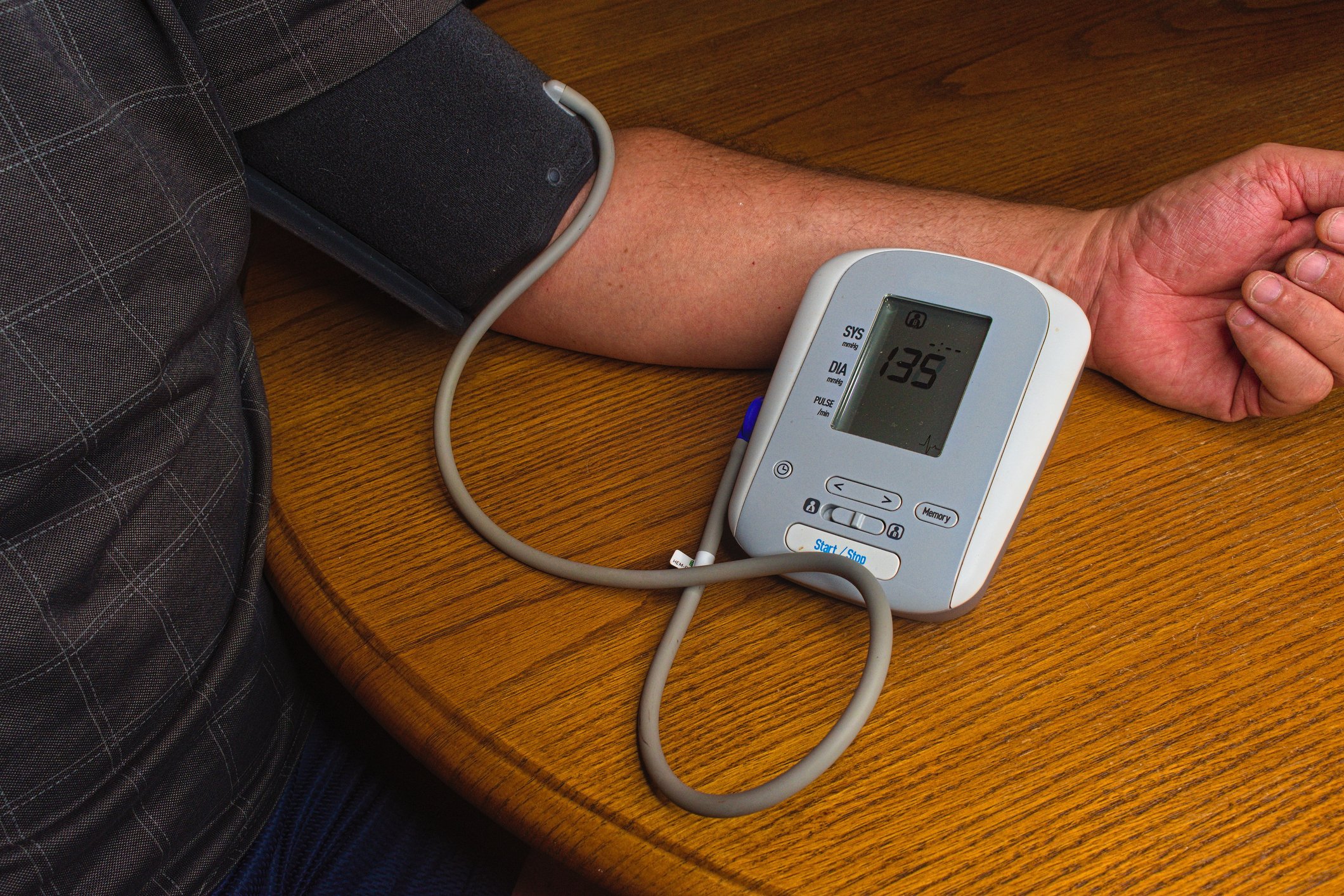
Does Tadalafil Lower Blood Pressure?
Tadalafil, also known as Cialis, is a prescription medication used to treat several medical conditions, including erectile dysfunction (ED), benign prostatic hypertrophy (BPH), and pulmonary artery hypertension (PAH). Tadalafil may be prescribed for either daily or as-needed use, depending on the reason the medication is needed. Tadalafil can have several effects on the body, but many people wonder, "Does tadalafil lower blood pressure?"
Can tadalafil lower blood pressure?
Tadalafil is a phosphodiesterase 5 (PDE5) inhibitor. This class of medications works in several ways to treat ED, BPH, and PAH. The short answer is that one potential side effect of tadalafil is a lowering of blood pressure. For erectile dysfunction, the medication may be dosed daily or as-needed. For benign prostatic hypertrophy or pulmonary artery hypertension, the drug is typically taken daily. The frequency and dose of the medication can potentially affect the interaction between tadalafil and blood pressure.
Why and how does tadalafil lower blood pressure?
There are several mechanisms that tadalafil uses to treat erectile dysfunction, benign prostatic hypertrophy, and pulmonary artery hypertension.
- Tadalafil relaxes the smooth muscles in the small blood vessels of the body, including the penis, prostate, and lungs. It accomplishes this by blocking the activity of the PDE-5 enzyme.
- Tadalafil improves blood flow by dilating the blood vessels and reducing the resistance to blood flow through the vessels.
- For PAH, tadalafil reduces the workload of the heart and lowers the blood pressure in the lungs.
Through these mechanisms, tadalafil can lower blood pressure both in the lungs and throughout the body. In most cases, the decrease in blood pressure isn't enough to cause symptoms, but sometimes, blood pressure can get dangerously low. People who take other PDE5 inhibitors, such as sildenafil (Viagra), vardenafil (Levitra), and avanafil (Stendra), in combination with tadalafil may increase the risk of low blood pressure. Other medications used to treat pulmonary artery hypertension, such as GC stimulators, may also lower blood pressure to dangerous levels.
Signs of dangerously low blood pressure from Cialis
Will Cialis lower blood pressure? Yes, frequently it will. While low blood pressure from Cialis is usually mild, Cialis can cause dangerously low blood pressure, especially if combined with medications such as nitrates, which are often used for conditions like angina and heart failure. Some signs of low blood pressure include:
- Dizziness
- Fainting or passing out
- Confusion
- Weakness
- Nausea
- Rapid or irregular heartbeat
- Feeling cold
- Clammy skin
- Fatigue
- Headache
These are some of the more common signs of low blood pressure, but everyone is different. If you experience concerning symptoms or signs of very low blood pressure, consult a healthcare provider immediately. If you take tadalafil as needed for erectile dysfunction, don't take it again until you've talked with your healthcare provider. If your healthcare provider has advised you to take tadalafil daily, especially for pulmonary artery hypertension, don't stop the medication without talking to them first.
Does tadalafil raise blood pressure?
We've answered the question about whether Cialis can lower blood pressure, but does cialis increase blood pressure? No, tadalafil does not typically increase blood pressure for most people. If you are experiencing high blood pressure while taking tadalafil, consult your healthcare provider.
Can you take Cialis with high blood pressure?
People with controlled high blood pressure can generally take Cialis as long as they don't have other conditions or are on blood pressure medications that would make its use unsafe. However, Cialis is not recommended for people with uncontrolled high blood pressure, even if they are on both Cialis and blood pressure medications. In people with uncontrolled high blood pressure, tadalafil can cause dangerous drops in the blood pressure which can increase the risk of heart attacks, strokes, irregular heartbeat, and can increase the risk of side effects. People who are on blood pressure medications such as alpha blockers (doxazosin, prazosin, terazosin, etc.) or who are on nitrates should generally not take tadalafil, as there is an increased risk of side effects. Besides high blood pressure, other conditions may increase the risk of low blood pressure with tadalafil.
Tadalafil is metabolized in the liver and excreted by the kidneys. Therefore, individuals with severe liver disease or kidney disease require the adjustment of tadalafil or are unable to take tadalafil. This is because these conditions can cause tadalafil to remain in the body for an extended period. Alcohol is also a vasodilator and can increase the risk of low blood pressure if taken when combined with tadalafil. Because tadalafil may stay in your system for up to 36 hours, using alcohol, even hours later, can increase the risk of low blood pressure. For this reason, alcohol use is not recommended with tadalafil. If you have concerns about how tadalafil may interact with your medications or other health conditions, it's best to consult your healthcare provider.
Read more about the side effects of tadalafil
If you have questions about the potential side effects of tadalafil, you can learn more by visiting our website.
Tadalafil and blood pressure: Key takeaways
- Tadalafil is used to treat erectile dysfunction (ED), benign prostatic hypertrophy (BPH), and pulmonary artery hypertension (PAH).
- Tadalafil may lower blood pressure, and in some cases, it can lower blood pressure to dangerously low levels.
- Tadalafil can be dosed daily for ED, BPH, or PAH, or it can be prescribed PRN (as needed) for ED.
- The risk of low blood pressure with tadalafil is higher in people with uncontrolled high blood pressure and those who use medications such as nitrates or alpha blockers.
- Alcohol can increase the risk of low blood pressure with tadalafil.
FAQs
How much does Cialis lower your blood pressure?
Cialis usually only mildly lowers blood pressure in healthy individuals. Usually, this drop is around 4-5 points. In people who have cardiovascular disease or who are taking other medications that can lower blood pressure, this drop can be much more significant and can potentially be dangerous.
Which drugs can cause low blood pressure with Cialis?
Many drugs can cause low blood pressure when combined with Cialis. Some of these include alpha blockers (such as doxazosin, prazosin, or terazosin), used to treat high blood pressure; nitrates used to treat chest pain or heart disease; and GC stimulators used to treat pulmonary artery hypertension. Many other medications may impact the enzymes that break down Cialis in the body. Any medication that affects the CYP3A4 Enzyme, such as certain antibiotics, antifungals, HIV treatments, calcium blockers, and many others, can potentially interact with Cialis and increase the risk of side effects, including low blood pressure. Alcohol and grapefruit can also increase the risk of low blood pressure, and people who are on Cialis generally should not use these.
Is Cialis a vasodilator?
Yes, Cialis and other PDE5 inhibitors cause vasodilation. This effect is one of the mechanisms that allows them to treat erectile dysfunction, benign prostatic hypertrophy, and pulmonary artery hypertension. This vasodilator effect also increases the risk of low blood pressure, especially when combined with other medications or substances that cause vasodilation.
Can drinking too much alcohol when taking Cialis affect your blood pressure?
Alcohol is a vasodilator like Cialis. Drinking alcohol with Cialis can increase the risk of low blood pressure. Because tadalafil, or Cialis, can last for up to 36 hours, alcohol use, even hours later, can increase the risk of low blood pressure. Therefore, drinking alcohol is not recommended when using Cialis.
Is tadalafil good for the heart?
Tadalafil may cause side effects in people with uncontrolled hypertension. It is also generally not recommended to use the medication if you have had a heart attack in the past 3 months. Tadalafil is not recommended for people with unstable angina, uncontrolled abnormal heart rhythms, or heart failure. These conditions can increase the risk of side effects. That said, a 2025 study in the American Journal of Medicine showed that both tadalafil and sildenafil may actually decrease the risk of heart attack, stroke, blood clots, and even dementia. This study showed a reduced risk of all-cause mortality (death from any cause). The study demonstrated these potential benefits in people taking tadalafil for both benign prostatic hypertrophy and erectile dysfunction. More research is needed on this topic.
Medication savings with ScriptSave® WellRx
Medication is expensive. If your healthcare provider has recommended medication to treat erectile dysfunction, benign prostatic hypertrophy, pulmonary artery hypertension, or any other medical problem, consider visiting us at WellRx. Some people save a little. Some people save a lot. Prices vary across zip codes. Even pharmacies across the street from each other can have huge price differences. Our aim is to bring transparency to prescription medication pricing, helping consumers to keep more money in their pockets. The average savings is 65%, but you may save up to 80%.* ScriptSave has been helping consumers save on their prescriptions for 25 years. *DISCOUNT ONLY – NOT INSURANCE. The program is administered by Medical Security Card Company, LLC
References
https://www.ncbi.nlm.nih.gov/books/NBK603743/
https://www.ncbi.nlm.nih.gov/books/NBK549843/
https://www.nhs.uk/medicines/tadalafil/side-effects-of-tadalafil/
https://www.ncbi.nlm.nih.gov/books/NBK499961/
https://pmc.ncbi.nlm.nih.gov/articles/PMC8845461/
https://www.nhs.uk/medicines/tadalafil/who-can-and-cannot-take-tadalafil/
https://www.ncbi.nlm.nih.gov/books/NBK537151/
https://academic.oup.com/jsm/article-abstract/2/4/517/6863149
https://www.drugs.com/medical-answers/cialis-lower-blood-pressure-3575073
https://www.sciencedirect.com/science/article/abs/pii/S0002914903000742
https://www.medsafe.govt.nz/profs/puarticles/march2014drugmetabolismcytochromep4503a4.htm
https://www.amjmed.com/article/S0002-9343(24)00705-8/fulltext

Save on the Go
For your convenience, use the ScriptSave®WellRx mobile app. Now savings are well in hand, right at the pharmacy counter. Save on your family's prescription medicines.



Get a Prescription Discount Card
Your choice. Get a ScriptSave WellRx Savings Card. Or Download the free mobile app from the App Store or Google Play Store

Grocery Guidance
ScriptSave WellRx Grocery Guidance leverages leading-edge nutritional data science to help you know which food products on your grocery store shelf are truly good for YOU.
Recommended Articles

Is Phentermine a Controlled Substance?
March 19, 2026
Is Phentermine a controlled substance? Find out how Phentermine is classified and what legal restrictions apply to its use.

Is Tadalafil a Controlled Substance?
March 11, 2026
Is tadalafil a controlled substance? Discover how tadalafil is classified and learn what regulations affect its prescription use.

Benzonatate vs Benzodiazepine: Two Common Meds Compared
March 04, 2026
Benzonatate vs benzodiazepine compared. Read about the differences in benefits, side effects, and effectiveness of these two common meds.